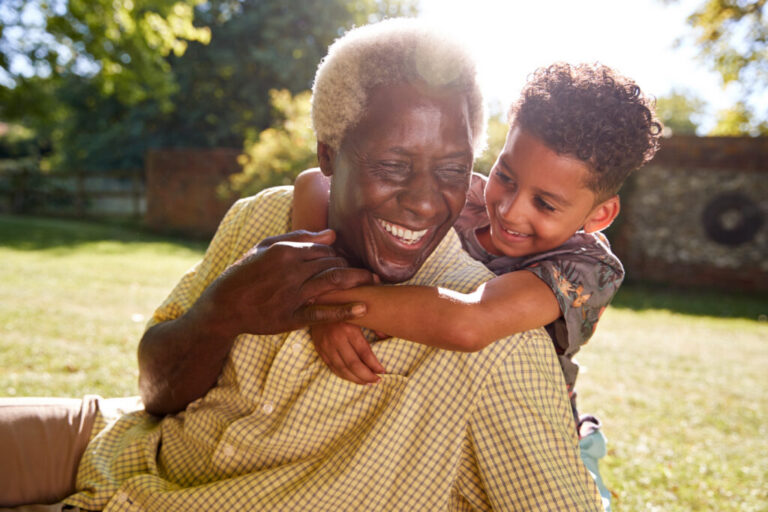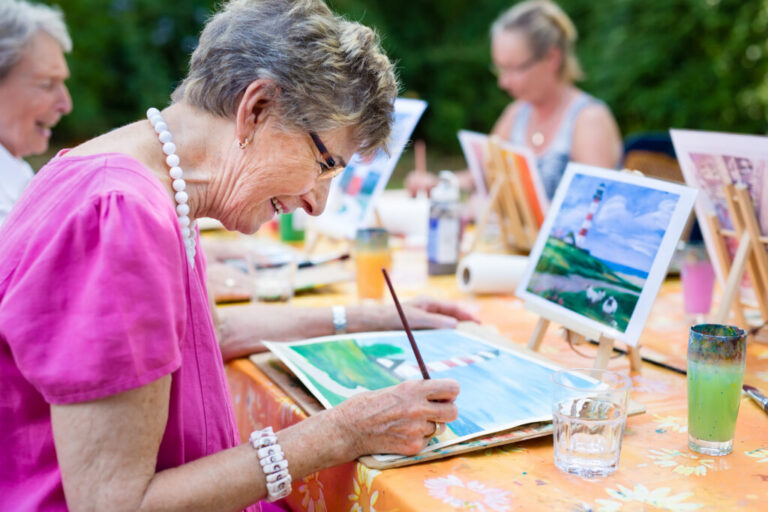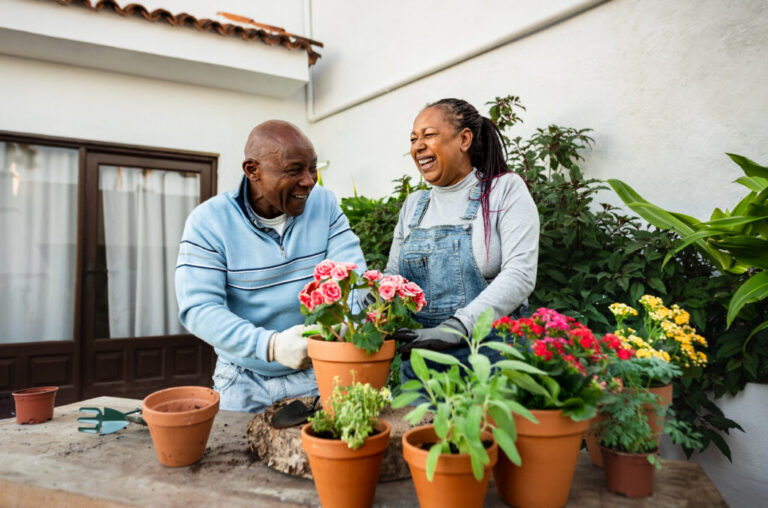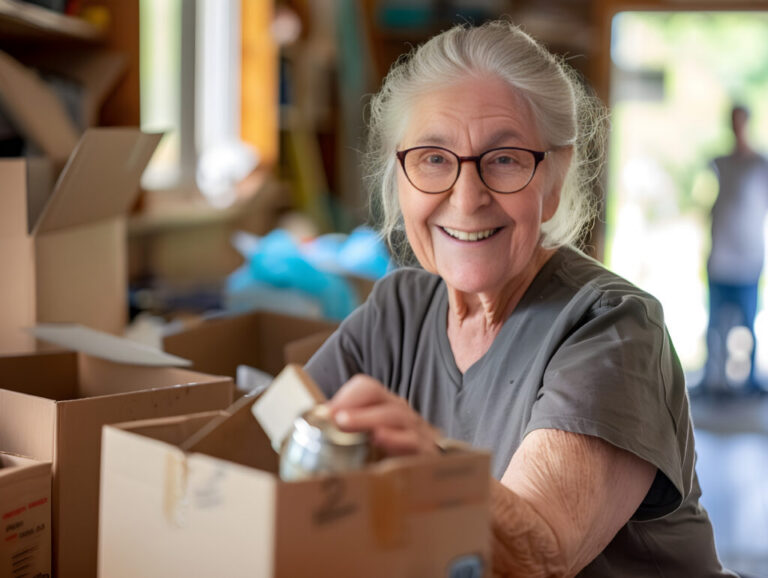
Fall is the perfect time to reconnect with nature, refresh routines, and embrace cozy moments.
Here are a few ways to make the most of fall weather:
Get outside
Whether it’s a brisk morning walk, a weekend hike or simply sitting on the porch with a warm drink, fall is ideal for outdoor time. The cooler temperatures and stunning scenery make even everyday errands feel special.
Embrace the cozy
Swap iced coffee for spiced chai, pull out your favorite sweaters and light a candle that smells like cinnamon or pine. Fall is all about comfort—lean into it.
Celebrate the season
Visit a pumpkin patch, go apple picking or take a scenic drive to admire the foliage. These simple traditions create lasting memories and help mark the passage of time in a meaningful way.
Enjoy the rainy days
Not every fall day is sunny, but even the gray ones have charm. Use them as an excuse to read a good book, bake something warm or catch up on rest.
Fall doesn’t last long, but its magic lingers. So grab your scarf, step outside, and let the season inspire you!


Living Well with Chronic Pain
Learn non-narcotic methods for managing chronic pain and get on with your life. Each class includes a new topic on how to manage chronic pain. This class is a combination of presentations, discussion and activities with others who have similar experiences to you.
Benefits of the class:
- Learn how to make feeling good your top priority
- Discover strategies for managing your pain
- Learn how to make weekly action plans
- Share experiences with others and help each other problem solve
- Become more involved in your community with your neighbors
November 4 – December 16
Days: Tuesdays
Time: 10:00-11:00 a.m.
Location: Via phone
Class Leader: Gail Johnson
Provider: CommonBond Communities

For older adults, managing heat is especially important, as bodies may not regulate temperature as effectively with age. Here are a few go-to tips to help you enjoy the sunny season while staying well:
Hydrate Consistently
Don’t wait until you’re thirsty to drink water. Aim for small sips throughout the day, and try incorporating water-rich foods like cucumbers, watermelon and oranges into your meals.
Create a Cool Oasis
Use fans, close curtains during the hottest parts of the day and make use of air conditioning if available. If your home gets too warm, plan regular visits to public places like libraries or shopping centers.
Dress for Comfort
Light-colored, loose-fitting clothing made from breathable fabrics like cotton or linen helps your body stay cool. Top it off with a wide-brimmed hat and UV-blocking sunglasses when heading outdoors.
Time Outdoor Activities Wisely
Schedule walks or gardening in the early morning or late evening when it’s cooler. Take frequent breaks in the shade and listen to your body—fatigue and dizziness are signs to rest and rehydrate.
Summer doesn’t have to be sweltering. With a little planning, it can be the perfect season for fun, connection and soaking in the sunshine safely.


Tai Ji Quan: Moving for Better Balance (Advanced)
Improve your balance, strengthen your muscles and reduce your risk of falling using tai ji quan (also known as tai chi) movements in a class that will help you stay mobile and independent. Participants must complete the Tai Ji Quan: Moving for Better Balance beginner class before registering for this class.
Benefits of the class:
- Build strength and increase postural control and range of motion
- Increase awareness of body positioning
- Control your center of gravity to prevent falls
- Maintain functional capabilities that will help you remain independent
- Make rewarding social connections
September 9 – November 27
Days: Tuesdays and Thursdays
Time: 7:00-8:00 p.m.
Location: Online
Class Leaders: Gail Johnson
Provider: Renaissance Mind and Body, LLC

Whether it’s picking up a paintbrush, speaking a new language or mastering a smartphone app, learning a new skill in older age offers a wealth of benefits. Here are just a few:
- Cognitive Health Boost
One of the most compelling reasons to learn something new is the positive effect it has on brain health. Research shows that challenging the brain with unfamiliar tasks can improve memory, delay cognitive decline and even build new neural connections.
- Emotional Well-Being
Learning promotes a sense of accomplishment and purpose. It can spark curiosity, boost self-esteem and foster resilience. Mastering a new skill—no matter how big or small—brings a confidence boost that can improve overall mood and mental well-being. - Social Connections
Taking a class or joining a group focused on a shared interest is a great way to connect with others. Whether in person or online, learning environments often provide opportunities for new friendships and social interaction, which are key components of healthy aging. - Joy and Curiosity
Perhaps most importantly, learning can be fun! Rediscovering your sense of wonder and trying something unfamiliar can bring joy, creativity and playfulness into daily life.
You don’t need to master a new language or earn a degree to reap the benefits of learning. Even simple activities like trying a new recipe, learning how to play a song on the piano or taking up birdwatching can be rewarding. Try something new today!


Tai Ji Quan: Moving for Better Balance (Beginner)
Improve your balance, strengthen your muscles and reduce your risk of falling using tai ji quan (also known as tai chi) movements in a class that will help you stay mobile and independent.
Benefits of the class:
- Build strength and increase postural control and range of motion
- Increase awareness of body positioning
- Control your center of gravity to prevent falls
- Maintain functional capabilities that will help you remain independent
- Make rewarding social connections
July 22-October 28
Days: Tuesdays and Thursdays
Time: 9:00-10:00 a.m.
Location: Online
Class Leader: Xue Yang
Provider: Trellis

As we grow older, it’s natural for our vision to change. However, with a few proactive steps, you can maintain good eye health and reduce the risk of serious vision problems. Here are some practical tips to keep your eyes healthy:
- Schedule Regular Eye Exams
Comprehensive eye exams can catch issues like glaucoma, cataracts and macular degeneration early. Adults over 60 should have an eye exam annually. - Eat for Eye Health
A diet rich in leafy greens, colorful fruits and vegetables, fish high in omega-3s and whole grains supports eye function. Nutrients like vitamin C, vitamin E and zinc are especially beneficial. - Protect Your Eyes from UV Light
Wear sunglasses with UV protection whenever you’re outdoors. This simple step helps prevent cataracts and other sun-related eye damage. - Use Good Lighting and Take Screen Breaks
Adequate lighting when reading or doing close-up work reduces eye strain. Follow the 20-20-20 rule when using digital devices: every 20 minutes, look at something 20 feet away for 20 seconds.
Good vision enhances independence, safety and quality of life. Taking small daily steps to protect your eyes can have lasting benefits no matter your age.


Living Well with Chronic Conditions
If you have high blood pressure, heart disease, COPD, arthritis or other chronic conditions, this class is for you. You’ll develop strategies for feeling your best and connect with others who will support your journey.
You’ll learn about:
- Dealing with frustration, fatigue, pain and isolation
- Exercises for improving strength, flexibility and endurance
- Use of medications
- Communicating effectively with family, friends and health professionals
- Nutrition
- How to evaluate new treatments
June 19 – July 31
Days: Thursdays
Time: 1:00-3:30 p.m.
Location: Avidor (Edina)
Class Leaders: Krista Maddock, Marcia Alexander Meier
Provider: Faith Community Nurse Network of the Greater Twin Cities

Whether tending to a backyard plot, growing herbs on a balcony or participating in a community garden, you can enjoy meaningful improvements to your overall well-being through gardening. Here’s how:
Physical health benefits
Gardening is a low-impact form of exercise that helps maintain mobility, flexibility, and strength. Tasks like digging, planting, watering and weeding involve gentle movements that can improve cardiovascular health, enhance hand strength and coordination and promote joint flexibility.
Mental and emotional well-being
Spending time in nature has been shown to lower cortisol levels and reduce stress. Gardening offers a sense of purpose, which is especially important for older adults who may be navigating retirement or experiencing social isolation.
Social connection
Gardening can also be a deeply social activity. Community gardens, gardening clubs and shared horticultural projects offer older adults opportunities to make new friends, share knowledge and stories and feel connected to a community.
Gardening is more than a hobby – it’s a meaningful lifestyle choice that supports aging well. It strengthens the body, nourishes the mind and uplifts the spirit. Whether you’re a seasoned green thumb or just getting started, planting a seed today could yield a garden of benefits tomorrow.


A Matter of Balance
Learn practical strategies for reducing your fear of falling, changing your environment to reduce risks and increasing your activity level to prevent falls in this group discussion class.
You’ll learn to:
- View falls and fear of falling as controllable
- Set realistic goals for increasing activity
- Change your environments to reduce risk factors
- Use exercise to increase strength and balance
May 29 – July 17
Days: Thursdays
Time: 1:30 – 3:30 p.m.
Location: Oak Crest, Spring Lake Park
Class Leaders: Carla Steinbring and Morgan Schultz
Provider: Faith Community Nurse Network of the Greater Twin Cities

Whether it’s mentoring young people, working with local nonprofits, helping out at hospitals or simply offering your time to a neighbor in need, volunteering as an older adult can transform both your life and the lives of those around you. Here are a few benefits of volunteering:
Boosts Mental and Emotional Well-Being
Studies show that older adults who volunteer regularly report lower rates of depression and anxiety. Giving your time to a cause you care about creates a sense of purpose and accomplishment. It keeps your mind engaged, lifts your mood and fosters a deep sense of connection and gratitude.
Expands Your Social Circle
One of the biggest challenges for older adults can be loneliness. Volunteering offers a built-in community of like-minded individuals. It’s a chance to make new friends, connect over shared values and feel like a vital part of something bigger.
Creates Legacy and Impact
Volunteering allows you to pass on wisdom, values, and experience. Whether you’re teaching, guiding, or simply showing up with kindness, your actions leave a lasting legacy in your community.
Volunteering isn’t just about giving back—it’s about gaining, too. New experiences, friendships, vitality and a renewed sense of purpose await.


Arthritis Foundation Exercise Program
This exercise class is for people with arthritis who want to learn safe ways to stay active, reduce pain and move more easily.
Benefits of the class:
- Experience less pain
- Improve joint function and increase muscular strength
- Increase overall sense of well-being and improve quality of life
- Provide support and encouragement to your peers
- Become more involved in your community and with your neighbors
April 28 – June 23
Days: Mondays, Wednesdays and Fridays
Time: 1:45 – 2:45 p.m.
Location: The Legends of Woodbury
Class Leader: Sandie Schmunk
Provider: Nygard Fitness, LLC

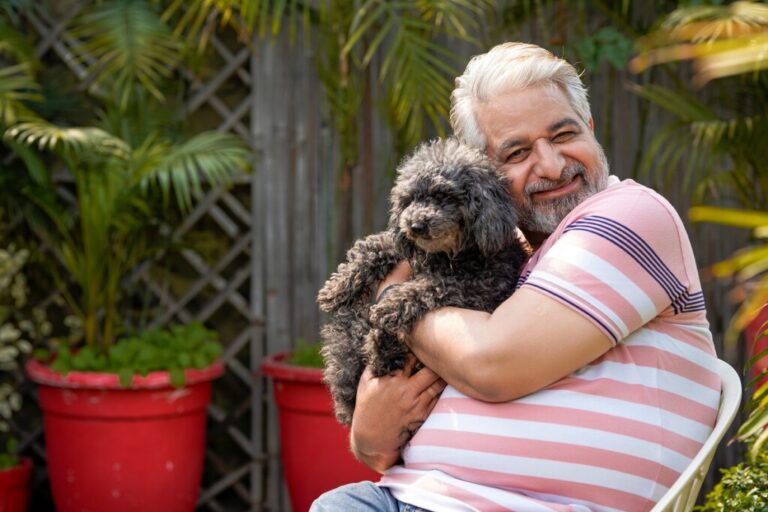
Pets can play a significant role in promoting healthy aging by providing physical, emotional, and social benefits. Here’s how:
Physical Health Benefits
- Encourage Exercise: Dogs, in particular, encourage physical activity through regular walks, which can help maintain mobility, cardiovascular health and overall fitness.
- Lower Blood Pressure and Stress: Interacting with pets has been shown to reduce stress hormones and lower blood pressure, which can decrease the risk of heart disease.
Mental and Emotional Well-Being
- Reduce Loneliness and Depression: Pets provide companionship, which can be especially important for older adults who live alone or have lost a loved one.
- Boost Mood: Engaging with pets releases oxytocin and serotonin, improving mood.
Social Benefits
- Increase Social Interaction: Walking a dog or visiting a pet-friendly park can lead to more social encounters, reducing isolation.
- Strengthen Community Connections: Pets can help older adults feel more engaged with their community through pet-owner meetups, therapy pet programs or volunteering.
While pets can greatly enhance aging, it’s important to consider the right pet for an individual’s lifestyle, physical ability and living situation. Low-maintenance pets like cats, birds, or even robotic pets can also provide companionship and health benefits without requiring extensive care.

Stay Active and Independent for Life (SAIL)
This exercise class helps you increase strength, balance and fitness, and incorporate active movement into your everyday life.
Benefits of the class:
- Become stronger, have better balance and feel better
- Stay active, independent and prevent falls
- Learn from experienced instructors who teach exercises that have been tested with older adults
- Make new friends
- Provide support and encouragement to your peers
April 1 – June 19
Days: Tuesdays and Thursdays
Time: 8:00-9:00 a.m.
Location: Online
Class Leader: Gail Johnson
Provider: CommonBond Communities

In the quest for a longer, healthier life, researchers have turned their attention to the world’s “Blue Zones”: Regions where people live significantly longer than average and enjoy remarkably low rates of chronic diseases. By studying these communities, we can gain valuable insights into lifestyle practices that contribute to longevity and well-being. Here are a few lessons we can learn from the world’s Blue Zones:
1. Plant-Based Diets
Residents of Blue Zones predominantly consume plant-based diets rich in vegetables, fruits, legumes and whole grains. Meat is eaten sparingly, and processed foods are virtually absent from their diets. This nutritional approach provides essential nutrients, promotes gut health and reduces the risk of chronic diseases.
2. Regular Physical Activity
Physical activity is seamlessly integrated into daily life in Blue Zones. Instead of structured exercise routines, residents engage in natural movements such as walking, gardening and manual tasks. This constant, low-intensity activity helps maintain physical health and mobility.
3. Strong Social Connections
A robust social network is a common feature in Blue Zones. These tight-knit communities offer emotional support, a sense of belonging and opportunities for social engagement. Strong relationships are linked to lower stress levels, improved mental health and increased lifespan.
4. Purposeful Living
Having a sense of purpose is a key factor in Blue Zone communities. This sense of purpose provides motivation, enhances resilience and contributes to overall happiness and longevity.
5. Stress Reduction
Chronic stress is rare in Blue Zones. Residents practice stress-reducing rituals such as prayer, meditation, naps or spending time in nature. These habits help lower inflammation and decrease the risk of chronic diseases.

Living Well with Chronic Conditions
If you have high blood pressure, heart disease, COPD, arthritis or other chronic conditions, this class is for you. You’ll develop strategies for feeling your best and connect with others who will support your journey. You will learn about:
- Dealing with frustration, fatigue, pain and isolation
- Exercises for improving strength, flexibility and endurance
- Use of medications
- Communicating effectively with family, friends and health professionals
- Nutrition
- How to evaluate new treatments
March 10 – April 14, 2025
Days: Mondays
Time: 9:30 a.m.-12:00 p.m.
Location: Online
Class Leaders: Carolyn Orttel and Cheryl Lanigan
Provider: Faith Community Nurse Network of the Greater Twin Cities

Tips for Building Healthy Habits
Creating healthy habits doesn’t have to feel overwhelming. In fact, the key to long-lasting change lies in small, manageable steps that fit seamlessly into your lifestyle. Here are three ideas to help you get started on your journey toward a healthier you:
1. Start Small and Be Consistent
Instead of overhauling your entire routine, focus on one small habit at a time. For example, commit to drinking a glass of water first thing in the morning or taking a 10-minute walk after dinner. Consistency builds momentum and sets the foundation for bigger changes.
2. Use Habit Stacking
Pair a new habit with an existing one to make it easier to remember. For instance, do a quick stretch while waiting for your coffee to brew or practice deep breathing during your daily commute. Linking habits creates natural reminders.
3. Make It Fun
Healthy habits should be enjoyable! Find activities you love, like dancing, hiking or experimenting with new healthy recipes. When the process is fun, you’re more likely to stick with it.
Building healthy habits is a journey, not a race. With patience, persistence and these simple strategies, you’ll create a lifestyle that supports your well-being for years to come.


A Matter of Balance
Learn practical strategies for reducing your fear of falling, changing your environment to reduce risks and increasing your activity level to prevent falls in this group discussion class. You’ll learn to:
- View falls and fear of falling as controllable
- Set realistic goals for increasing activity
- Change their environments to reduce risk factors
- Use exercise to increase strength and balance
February 6-March 4, 2025
Days: Tuesdays and Thursdays
Time: 1:00-3:00 p.m.
Location: Online
Class Leaders: Cheryl Nickelson and Jennifer Monroe
Provider: Normandale Center for Healing and Wholeness

Three Tips for Preventing Age-Related Muscle Loss
As we age, a natural process called sarcopenia, or age-related muscle loss, can begin to affect strength and mobility. While this is a normal part of aging, the good news is that it’s not inevitable. With the right strategies, you can maintain muscle mass and stay strong well into your later years. Here’s how:
1. Prioritize Strength Training
Incorporate resistance exercises like weightlifting, bodyweight exercises or resistance band workouts into your routine at least twice a week. Strength training helps stimulate muscle growth and maintain bone density, both critical for aging well.
2. Stay Active with Aerobic Exercise
While strength training is essential, don’t neglect cardio! Activities like walking, swimming or cycling improve circulation, which delivers oxygen and nutrients to your muscles, supporting their health and function.
3. Eat Protein-Rich Foods
Protein is the building block of muscles. Include high-quality protein sources like lean meats, fish, eggs, dairy, beans, and tofu in every meal. Older adults may benefit from slightly higher protein intake—consult a healthcare provider to determine what’s right for you.
Maintaining muscle mass is key to staying independent, preventing falls and enjoying a high quality of life as you age. Start with small, consistent changes and celebrate the strength you build along the way.


Tai Ji Quan: Moving for Better Balance – Beginner
Improve your balance, strengthen your muscles and reduce your risk of falling using Tai Ji Quan (also known as tai chi) movements in a class that will help you stay mobile and independent. No prior experience is necessary, and all ability levels are welcome.
January 7-March 27, 2025
Days: Tuesdays and Thursdays
Time: 7:00-8:00 p.m.
Location: Online
Class Leader: Gail Johnson
Provider: Renaissance Mind and Body